


Exploring the Top Design Trends to Watch for in 2026

Design constantly evolves, reflecting changes in technology, culture, and user expectations. As we approach 2026, several emerging trends promise to reshape how designers create experiences, products, and environments. Understanding these trends helps designers stay relevant and deliver work that resonates with audiences. This article explores the key design directions expected to dominate in 2026, offering practical insights and examples for professionals and enthusiasts alike.

Embracing Minimalism with a Human Touch
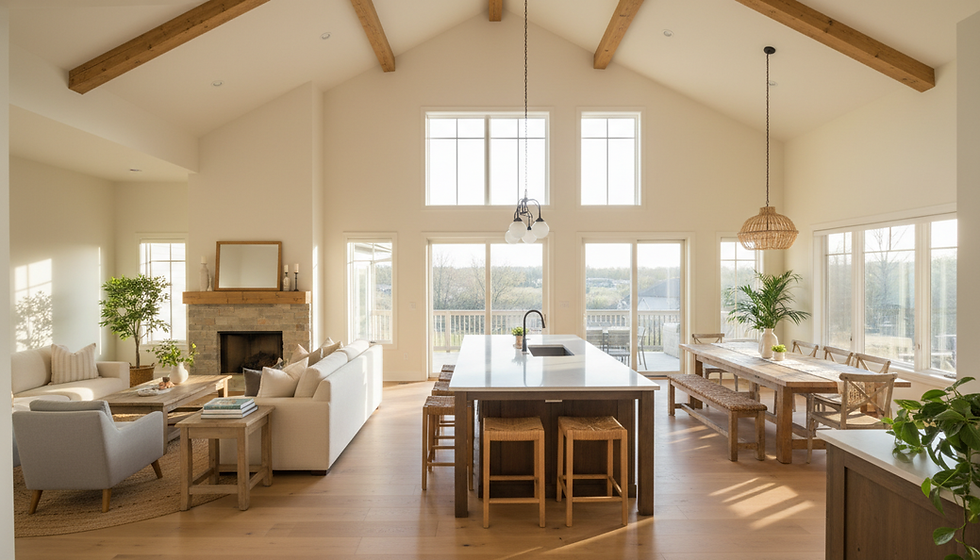
Minimalism has been a staple in design for years, but in 2026 it will evolve to include more warmth and personality. Purely functional and stark designs will give way to minimalism that feels inviting and approachable.
Soft color palettes will replace harsh contrasts. Expect muted earth tones, gentle pastels, and natural shades that create calm environments.
Organic shapes will soften rigid grids and sharp edges. Curves inspired by nature will add flow and comfort.
Tactile materials like wood, fabric, and stone will feature prominently, especially in interior and product design, to add sensory richness.
For example, a website might use clean layouts with ample white space but incorporate hand-drawn icons or subtle textures to avoid feeling cold or impersonal. Furniture designers will mix sleek metal frames with warm wooden surfaces to balance modernity and comfort.
Sustainable and Ethical Design
Sustainability will no longer be optional but a core principle in design. Consumers and clients increasingly demand products and experiences that minimize environmental impact and promote social responsibility.
Designers will prioritize eco-friendly materials such as recycled plastics, biodegradable fabrics, and sustainably sourced wood.
Circular design principles will guide product lifecycles, focusing on reuse, repair, and recycling.
Transparency about sourcing and manufacturing processes will become standard, building trust with users.
A practical example is packaging design that uses minimal material, is fully recyclable, and clearly communicates its environmental benefits. Digital designers will optimize websites and apps to reduce energy consumption by minimizing data transfer and improving load times.
Immersive Experiences with Augmented Reality (AR)
Augmented reality will expand beyond entertainment and gaming to become a mainstream design tool in retail, education, and communication.
AR will enable interactive product demos that let users visualize items in their own space before buying.
Educational apps will use AR to create hands-on learning experiences, making abstract concepts tangible.
Event and exhibition design will incorporate AR layers to provide additional context and engagement.
For instance, furniture retailers will offer AR apps where customers can place virtual sofas or tables in their living rooms using smartphones. Museums might provide AR guides that overlay historical information on exhibits, enriching visitor understanding.
Bold Typography and Experimental Layouts
Typography will take center stage in 2026 design, moving beyond readability to become a key expressive element.
Expect oversized fonts that dominate pages and screens, creating strong visual impact.
Designers will experiment with variable fonts that change weight, width, or style dynamically based on user interaction or screen size.
Asymmetrical and broken grid layouts will challenge traditional structures, adding energy and surprise.
An example is a magazine redesign using giant, colorful headlines that overlap images and text blocks, breaking the usual neat columns. Websites might feature animated typography that shifts as users scroll, enhancing storytelling.
Integration of AI in Design Processes
Artificial intelligence tools will become essential collaborators for designers, speeding up workflows and inspiring creativity.
AI will assist in generating design variations, helping teams explore options quickly.
Automated tools will handle repetitive tasks like resizing assets or color matching.
AI-driven analytics will provide insights into user behavior, guiding design decisions.
For example, a graphic designer might use AI to create multiple logo concepts based on a brief, then refine the best options manually. UX designers will rely on AI to analyze heatmaps and user flows, identifying friction points to improve interfaces.
Focus on Accessibility and Inclusivity
Designers will put greater emphasis on making products and experiences accessible to all users, regardless of ability or background.
Color choices will ensure sufficient contrast for users with visual impairments.
Interfaces will support screen readers and keyboard navigation.
Content will reflect diverse cultures, languages, and identities to foster inclusion.
A website redesign might include adjustable text sizes, captions for videos, and culturally sensitive imagery. Product packaging will use clear symbols and simple language to reach wider audiences.
Nostalgia with a Modern Twist
Nostalgic design elements from past decades will return, reimagined with contemporary techniques.
Retro color schemes and patterns from the 70s, 80s, and 90s will appear in branding and fashion.
Vintage typography styles will be combined with modern layouts.
Classic materials like vinyl, leather, and brass will be used in new ways.
For example, a fashion brand might release a collection inspired by 90s streetwear but made with sustainable fabrics. Graphic designers will create posters that blend pixel art with sleek digital effects.
Smart and Adaptive Environments
With advances in smart technology, physical spaces will become more responsive and personalized.
Lighting, temperature, and sound will adjust automatically based on user preferences and activities.
Furniture and fixtures will adapt their shape or function to different needs.
Sensors will collect data to improve comfort and efficiency.
A home office might feature a desk that changes height and angle throughout the day, paired with lighting that mimics natural daylight cycles. Public spaces could use smart benches that offer charging ports and adjust seating arrangements.


Excellent overview of the design trends shaping 2026. The focus on innovation, functionality, and modern aesthetics makes this a valuable read for designers and property owners alike. Incorporating solutions like Metallic Wood Architectural Film can help bring many of these contemporary design concepts to life with style and practicality.