


The Importance of Getting an Inspection for Your New Build
- ARK Builders

- Apr 27
- 3 min read
Building a new home is an exciting milestone, but it also comes with risks. Even the most carefully planned construction projects can hide defects or issues that might not be obvious at first glance. Getting an inspection for your new build protects your investment and ensures your home is safe, sound, and built to last.
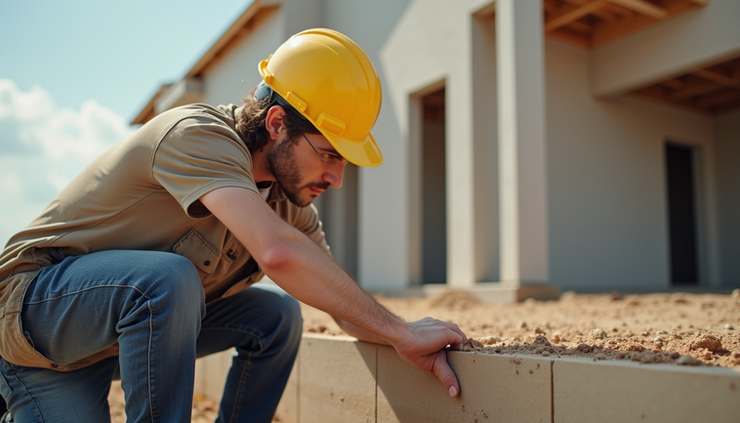
Why New Builds Still Need Inspections
Many people assume new homes don’t need inspections because everything is brand new. This is a common misconception. Construction involves many steps and trades, and mistakes can happen at any stage. Some common issues found in new builds include:
Structural problems such as cracks in the foundation or framing errors
Electrical wiring faults that could pose fire hazards
Plumbing leaks or poor installation that might cause water damage
Poor insulation or ventilation leading to energy inefficiency
Roofing defects that could cause leaks or damage over time
An inspection helps catch these problems early, before they become costly repairs or safety hazards.
What Does a New Build Inspection Cover?
A professional home inspector examines the entire property, inside and out. Key areas include:
Foundation and structural components to check for stability and proper construction
Roof and gutters to ensure they are installed correctly and free of damage
Electrical systems including outlets, wiring, and breaker panels
Plumbing systems such as pipes, fixtures, and drainage
Heating, ventilation, and air conditioning (HVAC) systems for proper function
Interior elements like walls, ceilings, floors, doors, and windows
Exterior features including siding, decks, and driveways
The inspector provides a detailed report highlighting any issues, along with recommendations for repairs or further evaluation.
Benefits of Getting an Inspection for Your New Build
Protect Your Investment
A new home is likely the biggest purchase you will make. An inspection helps ensure you are getting what you paid for. If problems are found, you can ask the builder to fix them before closing or negotiate repairs.
Avoid Unexpected Costs
Hidden defects can lead to expensive repairs down the road. For example, a small plumbing leak might cause mold growth or structural damage if left unchecked. Identifying issues early saves money and stress.
Ensure Safety and Comfort
Faulty wiring or poor ventilation can create health and safety risks. An inspection confirms that your home meets safety standards and provides a comfortable living environment.
Gain Peace of Mind
Knowing your home has been thoroughly checked gives confidence and reduces anxiety about potential problems. It also helps you plan maintenance and improvements with a clear understanding of your home’s condition.
When to Schedule Your Inspection
The best time to get an inspection is before you finalize the purchase. Ideally, schedule it after the builder completes the major construction but before you move in. This timing allows you to:
Identify issues while the builder is still responsible for repairs
Avoid delays in closing by scheduling early
Plan any additional work or upgrades based on the inspection report
Some buyers also choose to have multiple inspections during different construction phases, such as after framing or before drywall installation. This approach can catch problems early but may increase costs.
Choosing the Right Inspector
Not all inspectors have the same experience or qualifications. Look for someone who:
Is licensed and certified in your area
Has experience inspecting new construction homes
Provides a clear, detailed written report
Offers references or positive reviews from past clients
Ask about their inspection process and what they cover. A thorough inspector will take time to check all critical systems and explain their findings clearly.
Real-Life Example
A family purchased a newly built home and skipped the inspection to save money. Within months, they noticed water stains on the ceiling and discovered a leaking roof. Repairs cost thousands of dollars, and the builder was no longer responsible. If they had gotten an inspection, the roofing issue would have been caught and fixed before closing, saving them money and hassle.


Comments